




METU-Based Curriculum


Dual Diploma Opportunity


International Academic Standards


Highly Qualified Teaching Staff and Academic Support


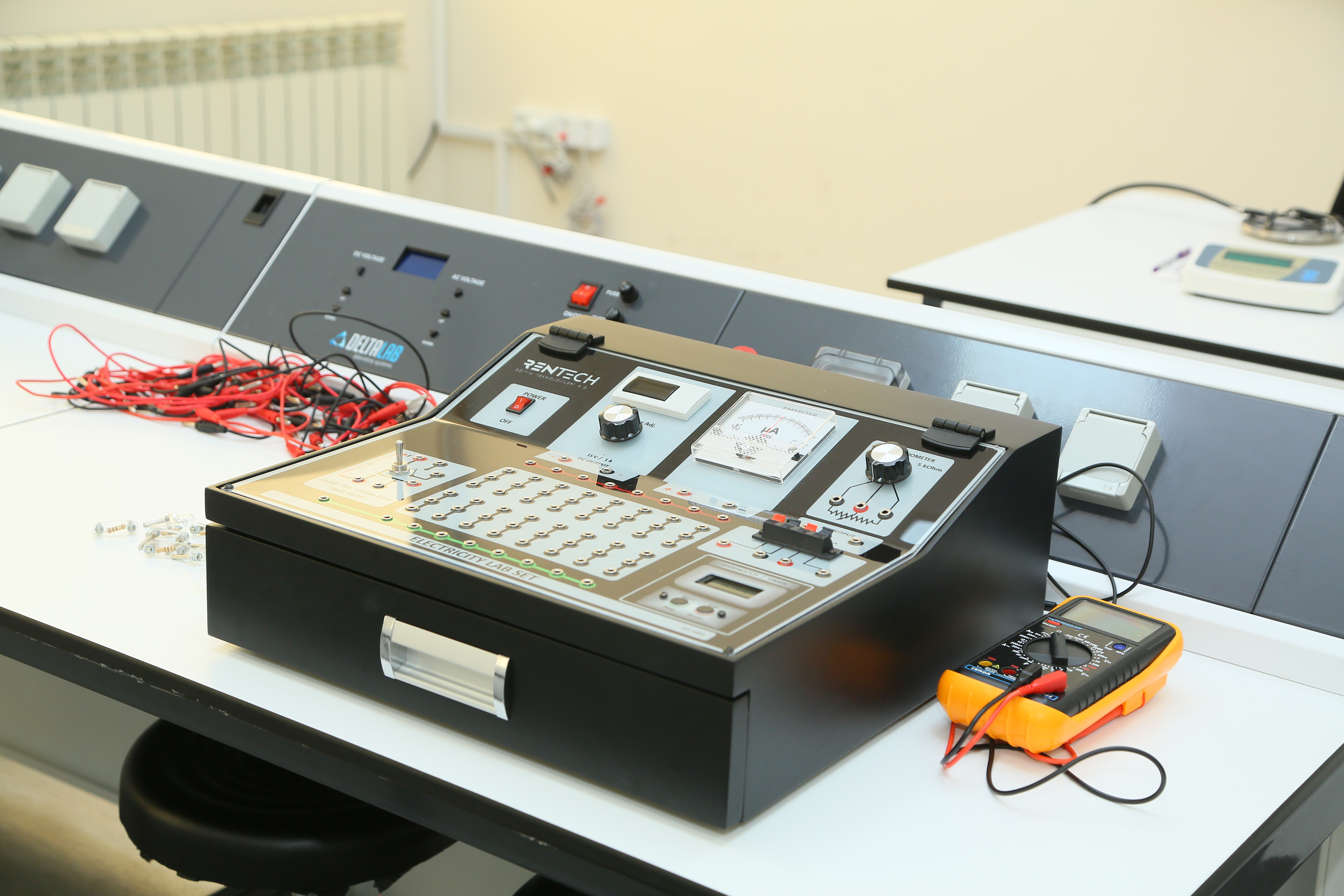
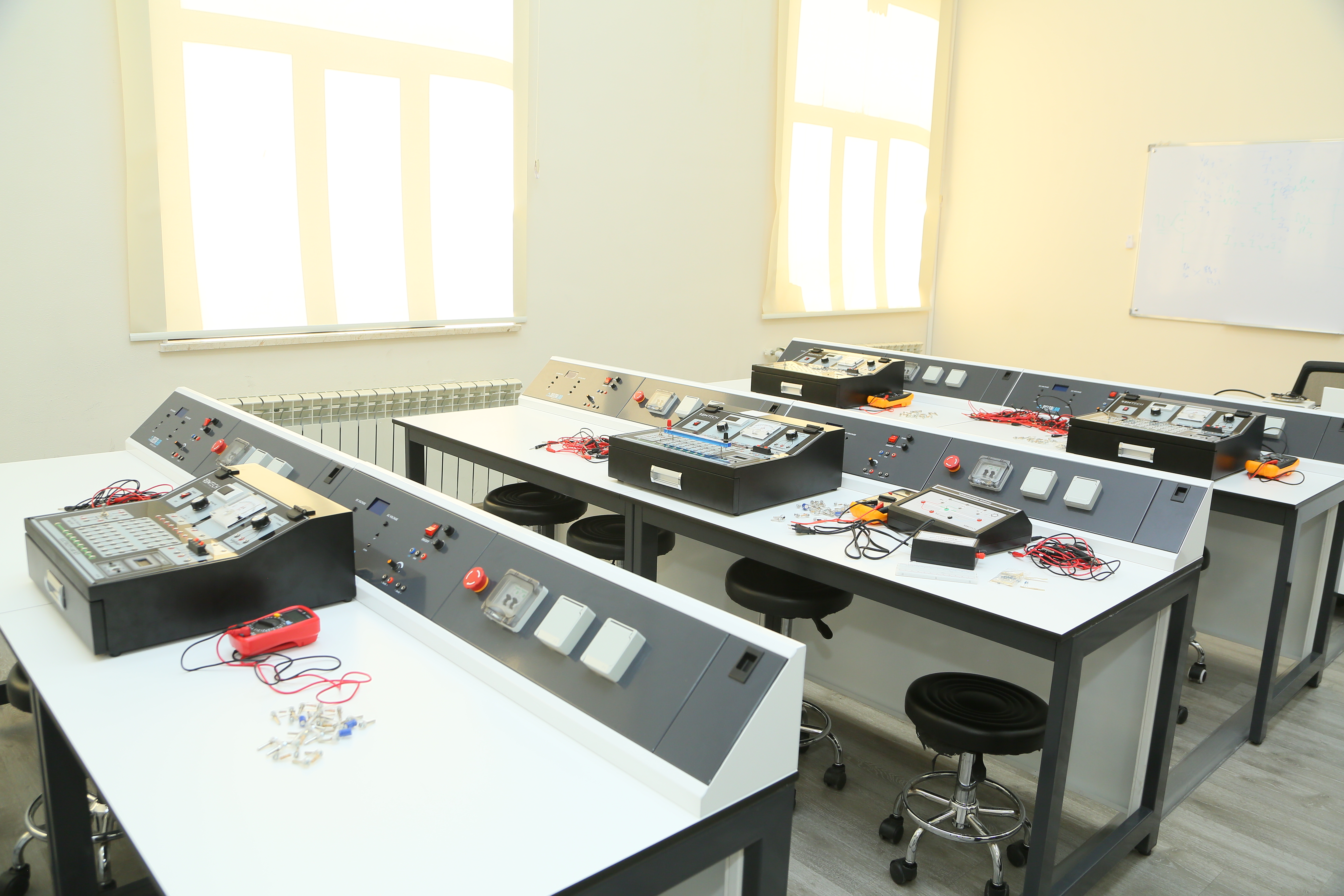
Modern Labarotories and Hands-On Learning


Strong Foundation in Emerging Technologies


Access to International Opportunities


Strategic Location and Regional Relevance


Department of Computer Engineering

Empowering the next generation of tech leaders in Azerbaijan through world-class METU academic standards and dual-degree excellence.

About the Program

The Department of Computer Engineering at Türkiye-Azerbaijan University (TAU) builds upon the strong academic foundation and international reputation of Middle East Technical University (METU)—one of Türkiye’s most prestigious and globally recognized institutions in engineering and computing education.

Dual Diploma Advantage

Graduates of this program receive two official diplomas:

  • Azerbaijan Technical University (AzTU)

  • Middle East Technical University (METU)

Providing instant international recognition and global career opportunities.

Heritage & Collaboration

  • Legacy of Excellence: Founded in 1977, METU’s Computer Engineering program has become a global leader in computing sciences, shaping fields like AI, cybersecurity, software engineering, and distributed systems.

  • Strategic Partnership: Established in 2024 through a partnership between AzTU and leading Turkish institutions including METU, TAU's Computer Engineering students are academically affiliated with the METU Baku campus.

  • Global Recognition: The curriculum, teaching quality, and academic standards directly align with METU, offering world-class education in Azerbaijan with international prestige.

Mission Statement

"The goal of the Department of Computer Engineering is to teach, produce, and disseminate the theory, principles, practice, and know-how of computing for the critical analysis, design, evaluation, and improvement of computer-based systems in the contexts of human interaction, society, industry, and services."

Why Computer Engineering at TAU?

By combining METU’s long-standing academic excellence with TAU’s modern educational environment, we offer a truly unique learning experience.

Key Advantages

FeatureStudent Benefit
METU-Based CurriculumDesigned in full alignment with METU's internationally recognized academic structure and rigor.
Dual Diploma OpportunityEarn official degrees from both AzTU and METU, unlocking global career and graduate study paths.
International StandardsTeaching methods and evaluation systems follow global engineering accreditation models.
Highly Qualified FacultyLearn under the guidance of experienced faculty associated with METU and partner institutions.
Modern Labs & Hands-On LearningHeavy emphasis on practical labs, coding projects, and real-world problem-solving from year one.
Emerging Tech FocusDeep-dive into AI, Machine Learning, Cybersecurity, Data Science, and Software Engineering.
International MobilityDirect exposure to academic mobility, research projects, and global innovation networks.
Strategic Regional LocationAccess top-tier international education locally in Azerbaijan, driving the region's tech ecosystem.

Meet Our Faculty

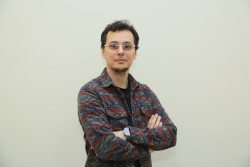
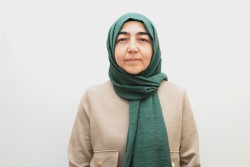
The Department of Computer Engineering is home to a distinguished research and teaching staff. Our faculty are internationally recognized experts in their fields and actively contribute to both the research community and industry. Below is a list of the current faculty.

Program coordinator Prof. Ahmet Coşar

METU Computer Engineering


  • Gray Email Icon ahmet.cosar@tau.edu.az
  • Gray Phone Icon -

PhD Yurdusev Yakup Akan

METU Computer Engineering


  • Gray Email Icon yakup.akan@tau.edu.az
  • Gray Phone Icon null

Prof. Okan Topçu

METU Computer Engineering

  • Gray Email Icon otopcu@metu.edu.tr
  • Gray Phone Icon +90(312)210-5583

Assoc. Prof. Derya Altuntan

Hacettepe University Mathematics

  • Gray Email Icon null
  • Gray Phone Icon null

Asst. Pr. Gülbin Kurtay

Hacettepe University Chemistry

  • Gray Email Icon null
  • Gray Phone Icon null

PhD Özgün Girgin

ITU Physics

  • Gray Email Icon null
  • Gray Phone Icon null

Prof. Sevda Şahinbay

ITU Physics

  • Gray Email Icon null
  • Gray Phone Icon null

Undergraduate Curriculum (Course Plan)

The undergraduate curriculum of the Department of Computer Engineering is structured over four academic years (eight semesters), plus two mandatory summer practice periods. The program totals 240 ECTS credits and is designed to build strong foundations in mathematics and sciences before progressing to core computer engineering topics and specialized electives.

The curriculum is accredited by ABET and is regularly updated to reflect the latest developments in computing. Students are required to complete mandatory courses, restricted electives from approved lists, technical electives, nontechnical electives, and free electives.

Undergraduate Curriculum

First Year

First Semester
Course CodeCourse Name

METU Credit

Contact (h/w)

Lab (h/w)

ECTS

PHYS105GENERAL PHYSICS I4326.0
BIOL109INTRODUCTION TO MOLECULAR BIOLOGY3305.0
MATH119CALCULUS WITH ANALYTIC GEOMETRY5427.0
CENG100COMPUTER ENGINEERING ORIENTATION0201.0
CENG111INTRODUCTION TO COMPUTER ENG. CONCEPTS4324.0
ENG101ENGLISH FOR ACADEMIC PURPOSES I4416.0
OHS101OCCUPATIONAL HEALTH AND SAFETY-I0002.0
IS100INTRODUCTION TO INFORMATION TECHNOLOGIES AND APPLICATIONS0021.0

Second Semester
Course CodeCourse Name

METU Credit

Contact (h/w)

Lab (h/w)

ECTS

PHYS106GENERAL PHYSICS II4326.0
MATH120CALCULUS OF FUNCTIONS OF SEVERAL VARIABLES5427.5
BA100CAREER PLANNING0102.0
MATH260BASIC LINEAR ALGEBRA3305.0
CENG140C PROGRAMMING4324.0
ENG102ENGLISH FOR ACADEMIC PURPOSES II4416.0

Second Year

Third Semester
Course CodeCourse Name

METU Credit

Contact (h/w)

Lab (h/w)

ECTS

MATH219INTRODUCTION TO DIFFERENTIAL EQUATIONS4407.0
EE281ELECTRICAL CIRCUITS4326.0
CENG213DATA STRUCTURES4326.0
CENG223DISCRETE COMPUTATIONAL STRUCTURES3306.0
ENG211ACADEMIC ORAL PRESENTATION SKILLS3314.0
 Any 1 of the following set:    
HIST2201 0202.0
HIST2205HISTORY OF THE TURKISH REVOLUTION I0202.0

Fourth Semester
Course CodeCourse Name

METU Credit

Contact (h/w)

Lab (h/w)

ECTS

CENG222STATISTICAL METHODS OF COMPUTER ENGINEERING3305.0
CENG232LOGIC DESIGN4327.0
CENG242PROGRAMMING LANGUAGE CONCEPTS4327.0
CENG280FORMAL LANGU.AND ABSTRACT MACHINES3306.0
 NONTECHNICAL ELECTIVE    
 Any 1 of the following set:    
HIST2202 0202.0
HIST2206HISTORY OF THE TURKISH REVOLUTION II0202.0

Third Year

Fifth Semester
Course CodeCourse Name

METU Credit

Contact (h/w)

Lab (h/w)

ECTS

CENG300SUMMER PRACTICE I0005.0
CENG315ALGORITHMS3306.0
CENG331COMPUTER ORGANIZATION3306.0
CENG351DATA MANAGEMENT AND FILE STRUCTURES3306.0
OHS301OCCUPATIONAL HEALTH AND SAFETY-II0002.0
 Any 1 of the following set:    
TURK105TURKISH I0405.0
TURK201ELEMENTARY TURKISH0203.0
TURK303TURKISH I0202.0
 RESTRICTED ELECTIVE    
 NONTECHNICAL ELECTIVE    

Sixth Semester
Course CodeCourse Name

METU Credit

Contact (h/w)

Lab (h/w)

ECTS

CENG334INTRODUCTION TO OPERATING SYSTEMS3305.5
CENG336INTRO.TO EMBEDDED SYSTEMS DEVELOPMENT3225.5
CENG350SOFTWARE ENGINEERING3305.5
CENG384SIGNALS AND SYSTEMS FOR COMPUTER ENGINEERS3305.0
 Any 1 of the following set:    
TURK106TURKISH II0405.0
TURK202INTERMEDIATE TURKISH0203.0
TURK304TURKISH II0202.0
 NONTECHNICAL ELECTIVE    

Fourth Year

Seventh Semester
Course CodeCourse Name

METU Credit

Contact (h/w)

Lab (h/w)

ECTS

CENG400SUMMER PRACTICE II0005.0
CENG477INTRODUCTION TO COMPUTER GRAPHICS3306.0
CENG491COMPUTER ENGINEERING DESIGN I4248.0
 TECHNICAL ELECTIVE    
 TECHNICAL ELECTIVE    

Eighth Semester
Course CodeCourse Name

METU Credit

Contact (h/w)

Lab (h/w)

ECTS

CENG492COMPUTER ENGINEERING DESIGN II4248.0
 FREE ELECTIVE    
 TECHNICAL ELECTIVE    
 TECHNICAL ELECTIVE    
 TECHNICAL ELECTIVE    

h/w = hours per week

Restricted Elective courses: AEE 231, AEE 244, AEE 261, CENG 382, CHE 204, CHE 222, EE 381, ES 221, ES 223, IE 407, ME 203, ME 205, ME 305, ME 351, METE 230, CE 221, CE 371, CE 374
Elective Course Categories

The undergraduate program includes four types of elective courses:
• Technical Electives: Advanced CNGB courses covering specialized topics such as machine learning, computer vision, distributed systems, and more. Full list available on the department website.
• Restricted Electives: Selected courses from other engineering and science departments (e.g., AEE 231, EE 381, IE 407, ME 203).
• Nontechnical Electives: Courses from humanities, social sciences, and other non-STEM disciplines.
• Free Electives: Any university course approved by the department advisor.


1st year

List of curricula and weekly calendar for first-year courses.

Dept Code Course Title Day Time Instructor
CNGB 140 C Programming TUE 12:00 - 15:00 Ahmet Cosar
CNGB 140 Lab C Programming Lab WED 12:00 - 14:00 Ahmet Cosar
MATH 120 Calculus II of Functions of Several Variables Derya Altuntan
MATH 260 Basic Linear Algebra Derya Altuntan
PHYS 106 General Physics II
ENG 102 English for Academic Purposes II Aysem Sebnem Otkur
Weekly Calendar
Time Monday Tuesday Wednesday Thursday Friday
12:00 - 13:00
CNGB 140
C Programming
A. Cosar
CNGB 140 Lab
Lab Session
A. Cosar
13:00 - 14:00
CNGB 140
C Programming
A. Cosar
CNGB 140 Lab
Lab Session
A. Cosar
14:00 - 15:00
CNGB 140
C Programming
A. Cosar

2nd year

List of curricula and weekly calendar for second-year courses.

Dept Code Course Title Day Time Instructor
CNGB 222 Statistical Methods of Computer Engineering Omer Beyca
CNGB 232 Logic Design FRI 09:00 - 18:00 Hasan Aksoy
CNGB 242 Programming Language Concepts WED 15:00 - 18:00 Yakup Akan
CNGB 280 Formal Languages and Abstract Machines FRI 10:00 - 18:00 Okan Topcu
BA 2701 Principles of Marketing Samira Amirova
Weekly Calendar
Time Monday Tuesday Wednesday Thursday Friday
09:00 - 10:00
CNGB 232
Logic Design
H. Aksoy
10:00 - 15:00
CNGB 232 / 280
Logic Design / Formal Lang.
Aksoy / Topcu
15:00 - 18:00
CNGB 242
Prog. Lang. Concepts
Y. Akan
CNGB 232 / 280
Logic Design / Formal Lang.
Aksoy / Topcu

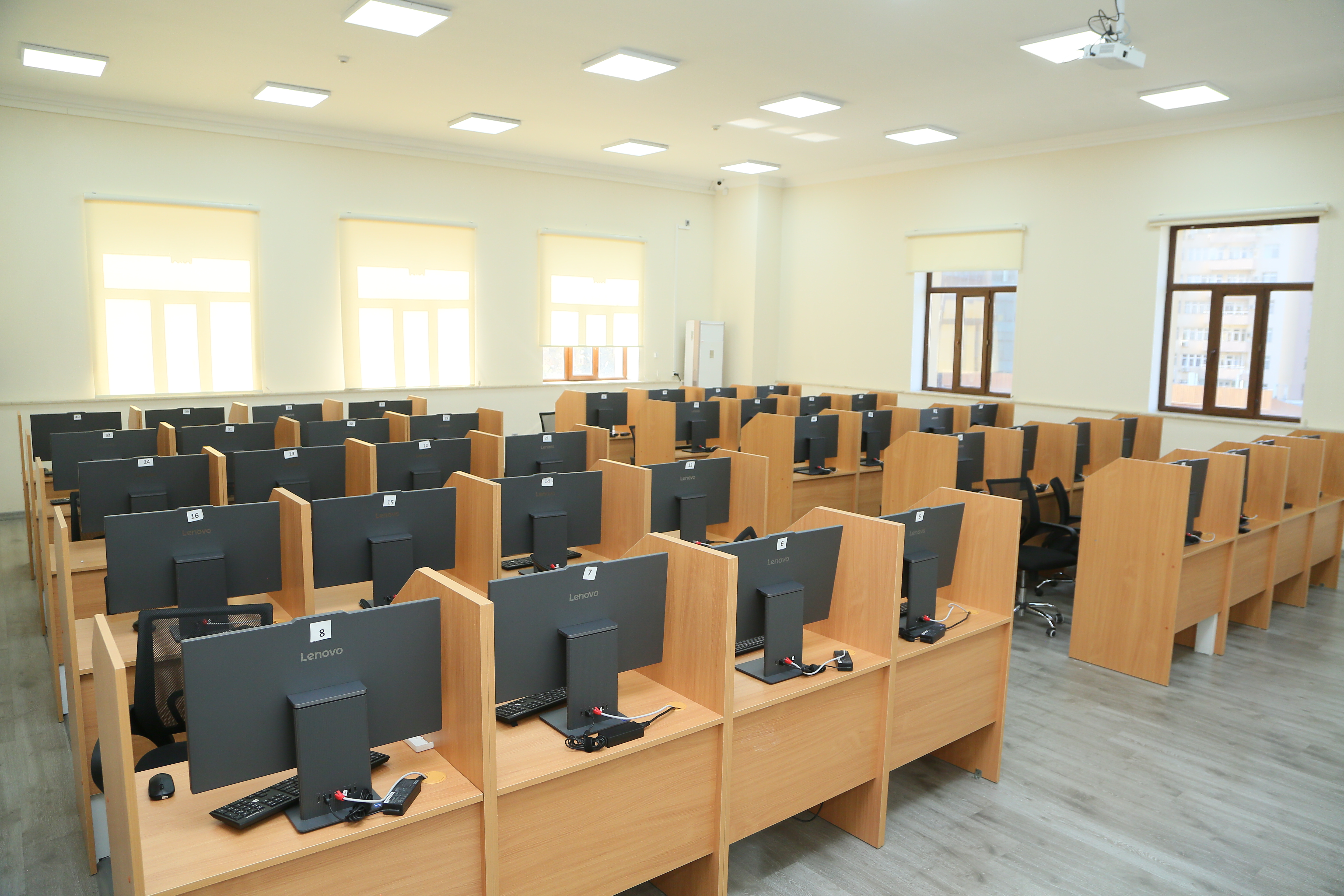
Programming Laboratory

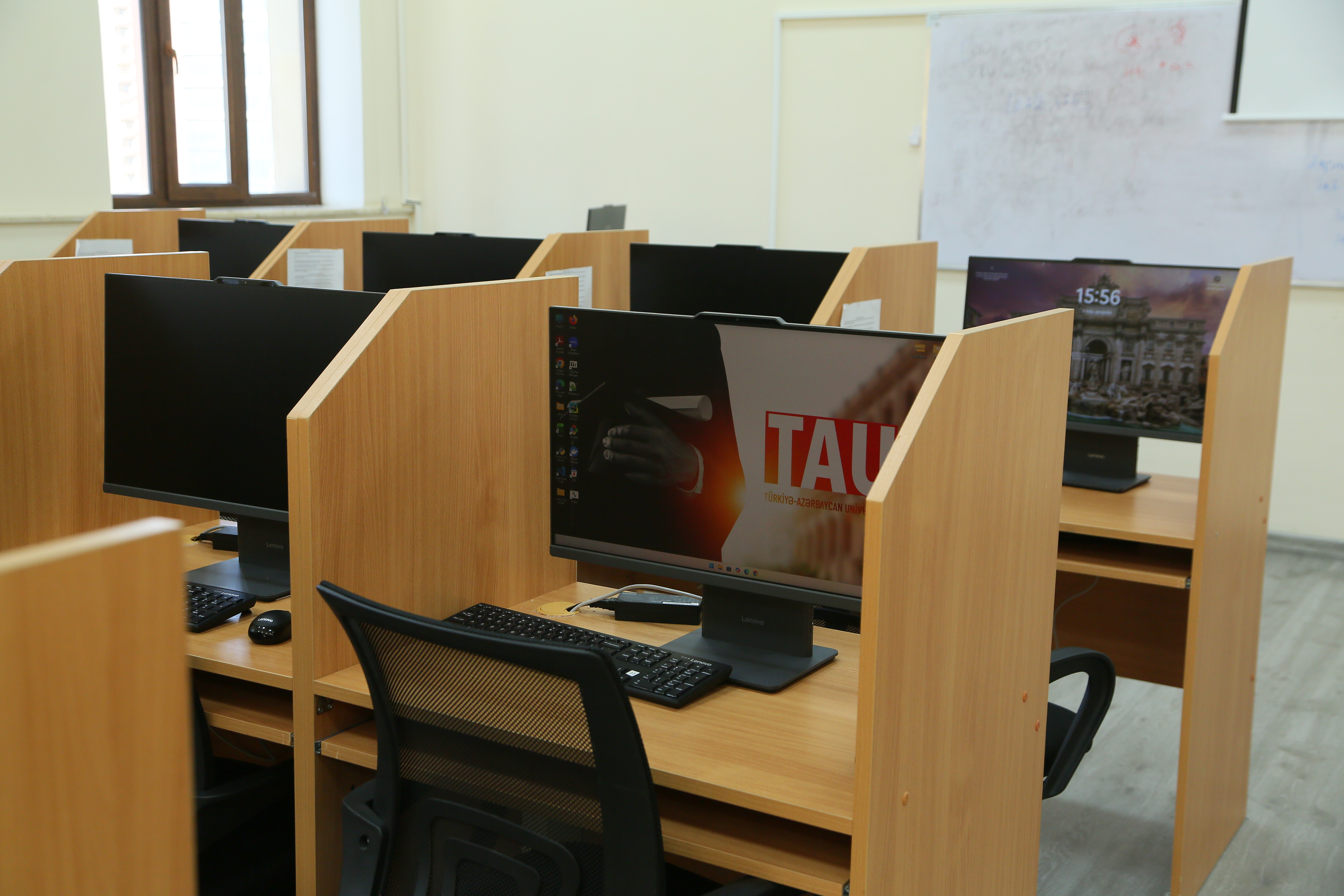
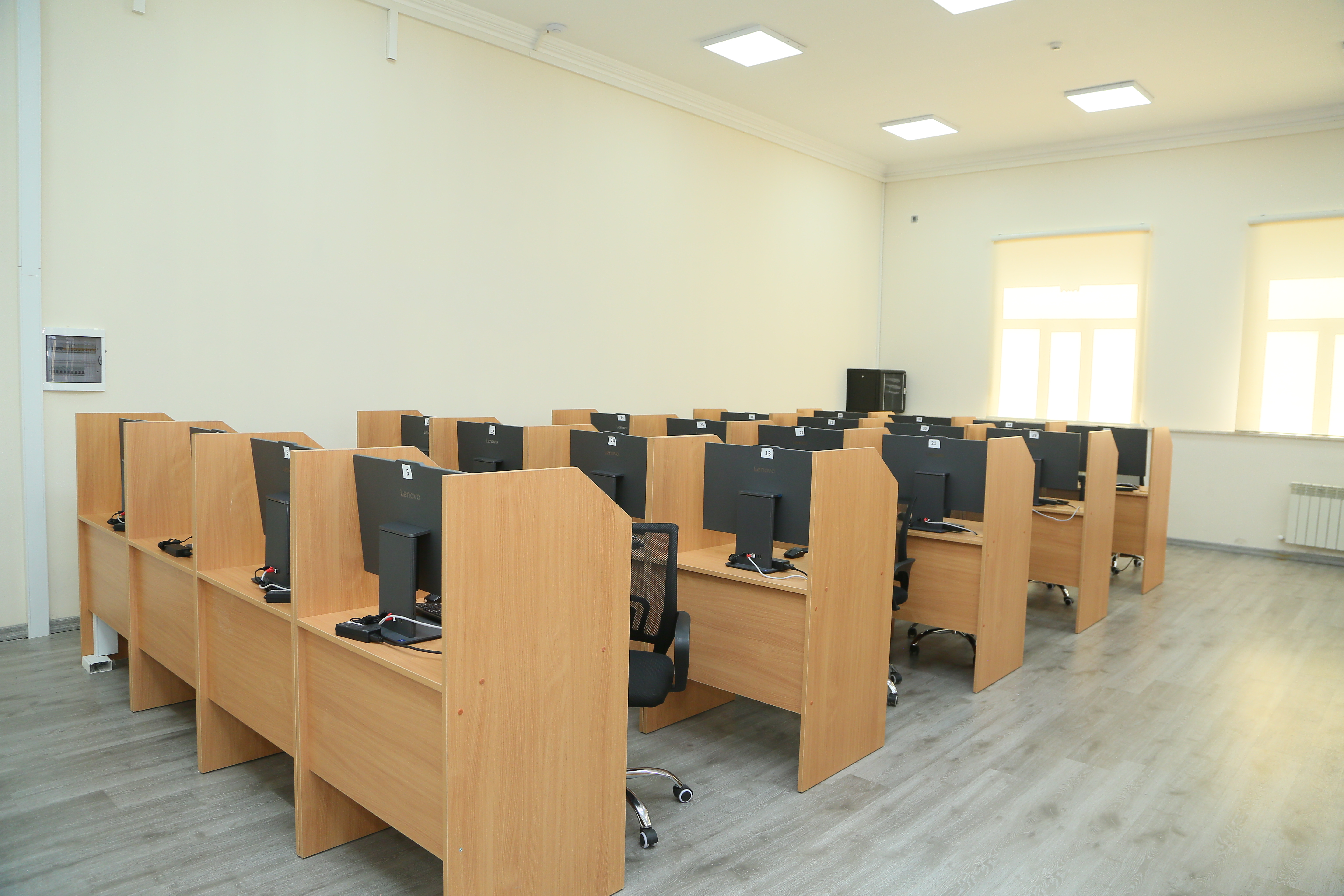
The Programming and Systems Laboratory is the primary undergraduate teaching laboratory used for courses such as CNGB 111, CNGB 140, CNGB 213, and CNGB 334. The laboratory is equipped with modern workstations running in Linux and Windows environments and supports a wide range of development tools.

Computer Networks and Security Laboratory

This lab is dedicated to hands-on work in computer networking and cybersecurity and supports courses such as CNGB 411 (Computer Networks) and graduate-level network security courses. Students learn to configure routers, switches, and firewalls in a managed environment. • Equipment: Cisco routers, managed switches, firewall appliances, network packet analyzers.

Embedded Systems and Hardware Laboratory

Supporting courses such as CNGB 232 (Logic Design) and CNGB 336 (Embedded Systems Development), this lab equips students with the skills to design and build real-world hardware-software integrated systems. • Equipment: FPGA development boards (Xilinx, Intel), Arduino/Raspberry Pi kits, logic analyzers, oscilloscopes, soldering stations

Artificial Intelligence and Data Science Research Laboratory

A dedicated research environment for faculty and graduate students working in machine learning, deep learning, natural language processing, and computer vision. Undergraduate students can access this lab for senior projects under faculty supervision. • Hardware: High-performance GPU clusters, multi-core CPU servers, large-memory workstations. • Software: TensorFlow, PyTorch, Hugging Face, Jupyter, CUDA toolkit. • Purpose: Deep learning research, natural language processing, computer vision, data analytics.

Software engineering and design laboratory

This lab supports software engineering courses (CNGB 350, CNGB 431) and master design projects (CNGB 491/492). Teams work in collaborative workspaces equipped with tools for agile software development. • Equipment: Workstations, dual-monitor setups, large screens for team reviews. • Software: Git, Jira, Docker, Kubernetes, Jenkins, SonarQube. • Objective: Agile development, DevOps pipelines, master design projects. For current lab schedule and availability, please visit CNGB.metu.edu.tr/en/lab-schedule.

💻 Bilgisayar Mühendisliği Final Takvimi

Tarih / GünSaatDers Kodu ve İsmi
1 Haz, Pzt10:00 - 12:00MATH 120 Calculus of Functions of Several Variables
3 Haz, Çar10:00 - 12:00MATH 119 Calculus with Analytical Geometry
4 Haz, Per10:00 - 12:00CENG 222 Statistical Methods of Computer Engineering
5 Haz, Cum10:00 - 12:00MATH 260 Linear Algebra
8 Haz, Pzt10:00 - 12:00FIZ 102E Physics-2
8 Haz, Pzt10:00 - 12:00CENG 232 Logic Design
9 Haz, Sal10:00 - 12:00CENG 280 Formal Languages and Abstract Machines
10 Haz, Çar10:00 - 12:00CENG 140 C Programming
10 Haz, Çar12:00 - 14:00CENG 242 Programming Language Concepts
12 Haz, Cum12:00 - 16:00FIZ 102EL Physics-2 LAB


Briefcase Icon

Work With Us

Calendar Icon Announcement date: 2026-04-08 00:29:24
Calendar Icon Application deadline: 2026-06-08 00:29:24

3rd–4th year students are invited to join the "Deep Learning Applications" research project conducted in the field of Artificial Intelligence.

Tələblər

  • Python və PyTorch/TensorFlow bilikləri
  • Minimum 3.0 GPA
  • Həftədə 15 saat vaxt ayıra bilmək
Apply
Briefcase Icon

Work With Us

Calendar Icon Announcement date: 2026-04-08 00:29:24
Calendar Icon Application deadline: 2026-06-08 00:29:24

3rd–4th year students are invited to join the "Deep Learning Applications" research project conducted in the field of Artificial Intelligence.

Tələblər

  • Python və PyTorch/TensorFlow bilikləri
  • Minimum 3.0 GPA
  • Həftədə 15 saat vaxt ayıra bilmək
Apply
Briefcase Icon

Work With Us

Calendar Icon Announcement date: 2026-04-08 00:29:24
Calendar Icon Application deadline: 2026-06-08 00:29:24

3rd–4th year students are invited to join the "Deep Learning Applications" research project conducted in the field of Artificial Intelligence.

Tələblər

  • Python və PyTorch/TensorFlow bilikləri
  • Minimum 3.0 GPA
  • Həftədə 15 saat vaxt ayıra bilmək
Apply