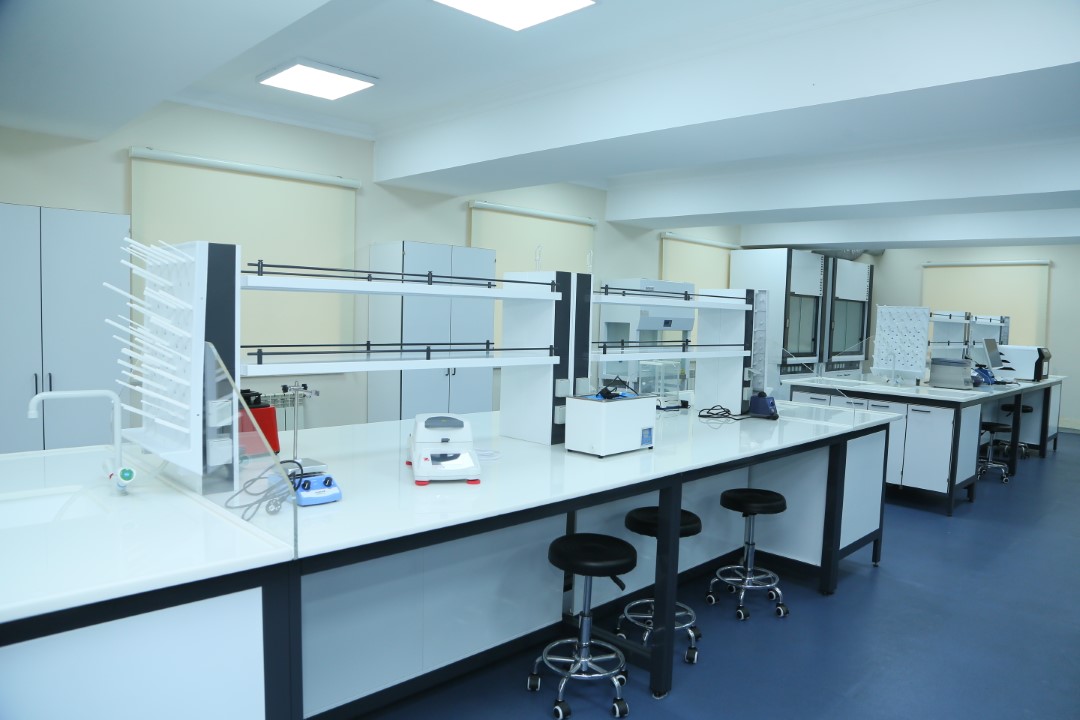
Our university offers extensive opportunities to students and researchers with its laboratories equipped with the latest technological equipment. Here, theoretical knowledge merges with real-world experiments and scientific research. Our labs operate 24/7 to develop the solutions of the future in engineering, technology, and innovation.
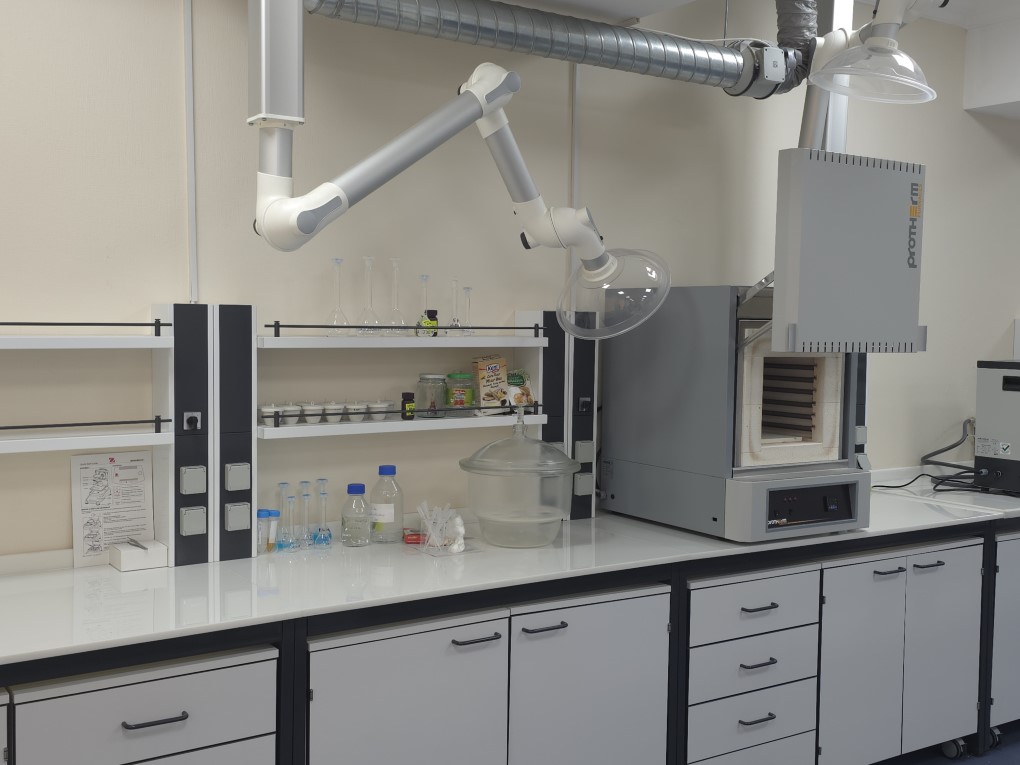
In Food Process Technology Laboratory, students gain practical knowledge of key food industry operations (such as drying, heat exchange, and purification). This knowledge contributes to increasing production efficiency, ensuring the proper use of resources, and maintaining product quality.
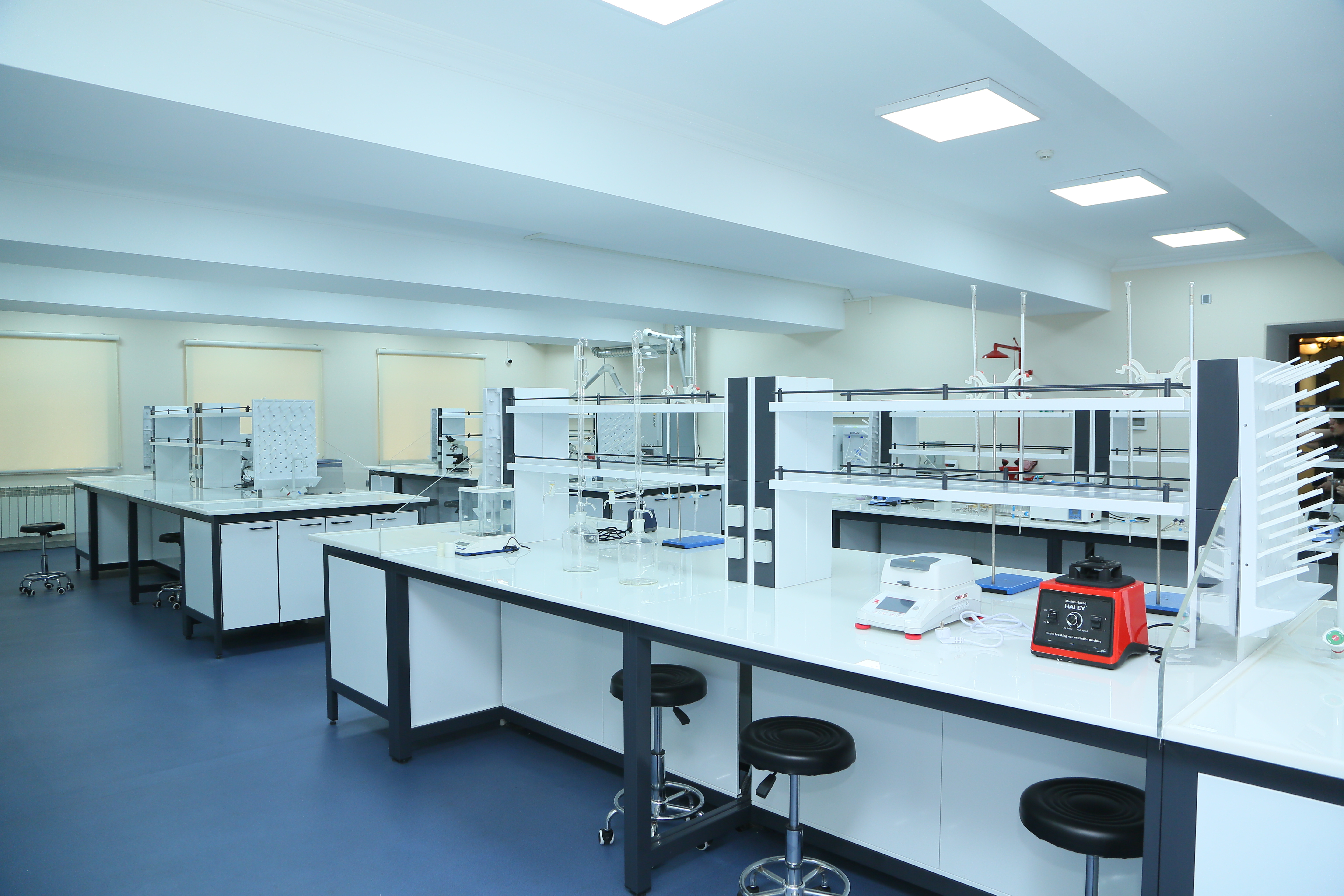
In Food Chemistry Laboratory, the chemical composition of food products and the changes that occur during storage are studied. Students determine protein, fat, carbohydrate, vitamin, and mineral content, and analyze quality and stability. This laboratory plays a vital role in ensuring food safety and maintaining product quality.
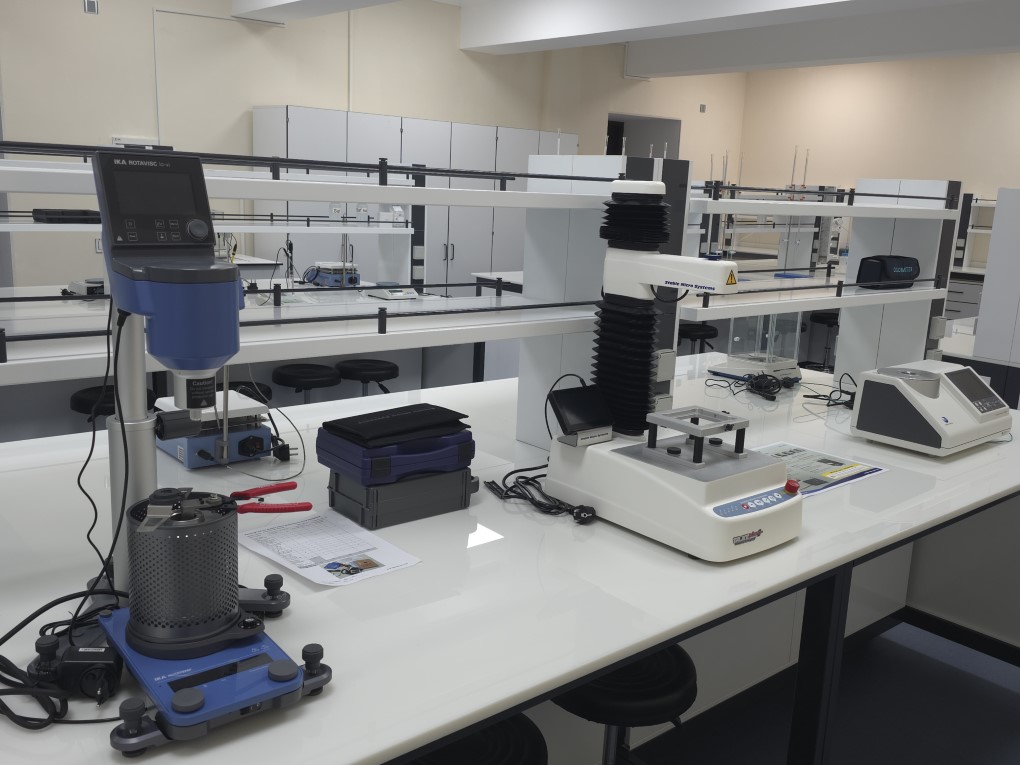
In this laboratory, students learn to analyze the composition of food samples using modern instruments (e.g., HPLC, UV-Vis, GC). The determination of precise quantities and quality parameters of vitamins, minerals, preservatives, inhibitors, and other substances is carried out here through practical work.
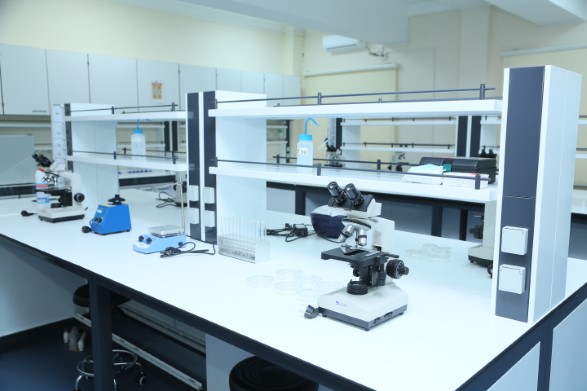
In this laboratory, practical knowledge regarding the detection and assessment of microorganisms that pose risks to human health and product safety is linked to their impact on food shelf life. Food safety, adherence to sanitary and hygienic regulations, and the assessment of microbiological quality are fundamental.
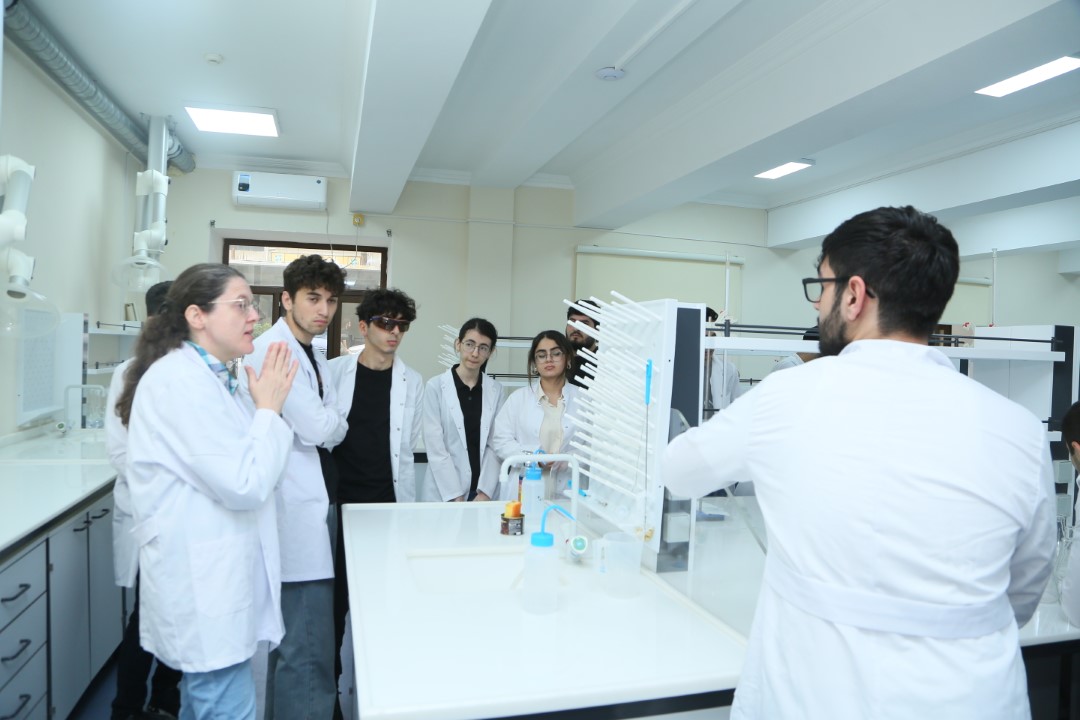
This laboratory course is conducted during a key stage of engineering education and provides students with fundamental knowledge regarding the composition, structure, and reactions of substances. Topics such as acid-base balance, redox reactions, methods of substance analysis, and chemical calculation principles are studied here through practical application.
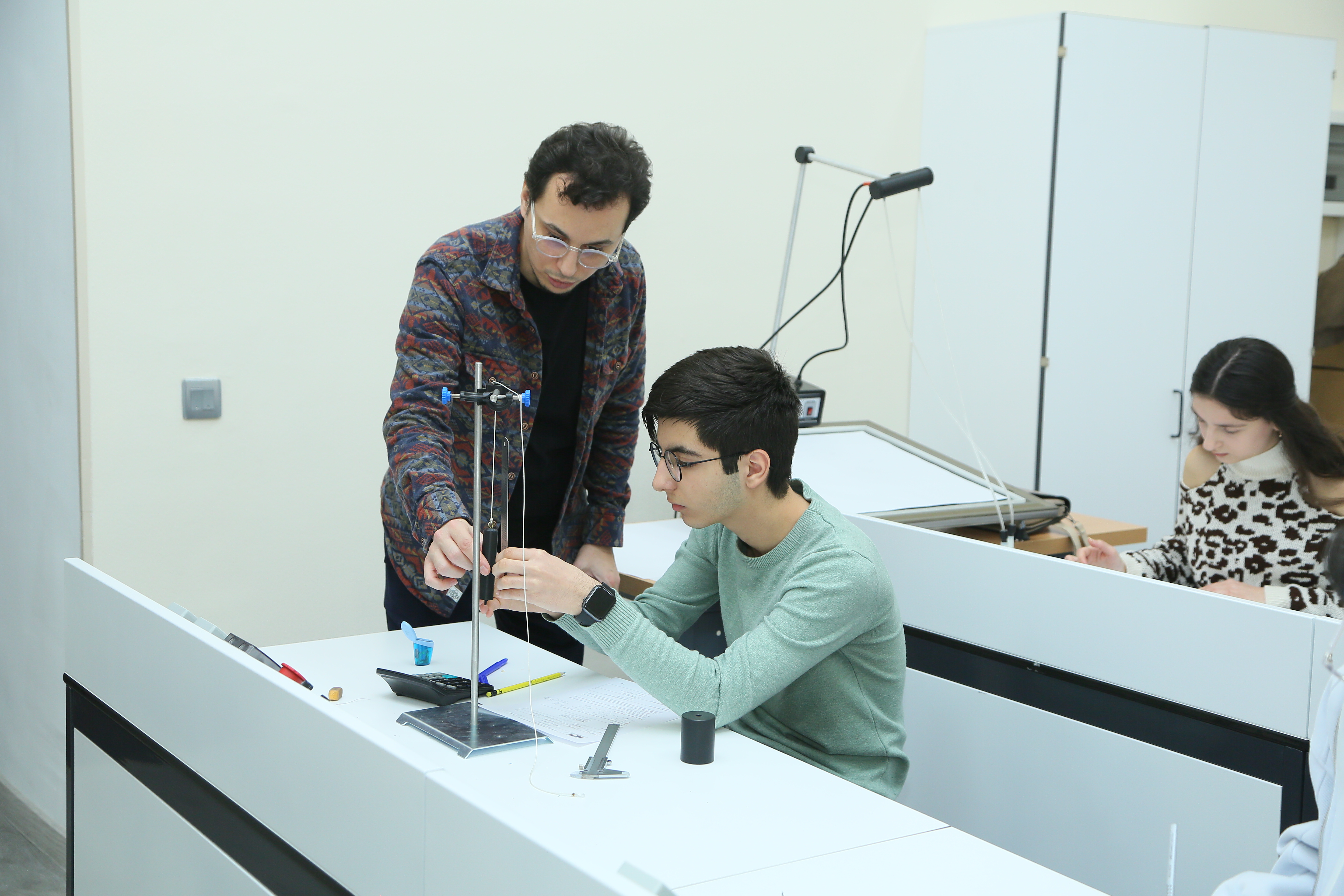
Physics laboratory is one of the fundamental engineering courses, offering students the opportunity to learn concepts such as heat transfer, pressure, and energy through practical methods. The experiments conducted in this laboratory develop students' ability to perform technical measurements with precision and to relate physical principles to real-world applications.


